Summer
Ronja, the Robber's DaughterSummer is both a season in the forest and a store of lived experience for Ronia and Birk: after the privations of winter, its warmth makes their refuge in Bear’s Cave feel free and abundant, while its inevitable passing gives their days a quiet urgency. They cannot stop the seasons, but they can attend to summer closely and keep it in memory for what follows.
Return of Spring and the Opening of Summer
Spring arrives as a release from the long winter. Snow streams down the cliffs into the river, which roars and foams through its waterfalls; at Wolf’s Neck, the thawing water splashes around the horses’ hooves as Matt and his robbers ride out again. Ronia, who has been kept at home while Matt insists the spring woods are dangerous, is finally allowed to return to the forest she has missed. The seasonal change restores movement and possibility after a winter of confinement and scarcity.
By the time Ronia and Birk are living in Bear’s Cave, they greet their own freedom in the same season with a sense of relief. After eating, they laugh together, warm and well-fed in the bright morning, and recognize that the cave and the surrounding forest are now their own domain. Their lightness follows hard days left behind; summer’s openness gives their chosen life a feeling of independence, even though its practical demands remain.
Summer as a Lived Landscape
As spring turns to summer, rain falls for days and nights. The forest drinks it in and grows fresh and green; when the sun returns, the woods steam in the heat, and their sweetness is so strong that Ronia wonders whether any other forest can smell as sweet. The season is registered through changing water, warmth, color, and scent, not simply named on a calendar. The forest’s renewal becomes something the children experience with their bodies as they live among it.
Their life depends on that landscape. They gather water from a spring, lay a net in the river for fish, make a hearth on their platform with flat stones, and seek juniper wood for Ronia’s bow. When they encounter Villain and Savage in their usual glade, the horses evade their gentle approach, preserving their distance and freedom. The forest offers shelter and food, but it is not theirs to command.
The changing season also governs their food supply. Ronia’s flour runs out, and they bake their last hard loaves on heated hearthstones. They expect to manage without bread: the forest’s small lakes hold fish, birds can be snared, edible herbs and leaves can be gathered, and wild strawberries are already ripe among the fallen trees, with blueberries soon to follow. Lia’s milk offers another temporary resource, but as the mare’s new foal approaches, she no longer wants to be milked. Ronia accepts that the first day without bread or milk will come sooner than expected; summer’s abundance is real, but conditional and changing.
Lia and the Wild Horses
Lia’s recovery carries their care for her into the summer. Once her wound has healed, Ronia and Birk let her return to the wild herd, though they continue to milk her. In the evenings, the horses often stop near the cave; the children call, and Lia answers with a neigh to show where she is. Other horses gradually become less afraid of the children and watch curiously. Villain and Savage come close enough for Lia to lay back her ears and snap at them, while the young pair continue bumping, tossing, and leaping before galloping away into the woods.
This recurring evening encounter joins human need to the animals’ own rhythms without turning the herd into possessions. Lia’s willingness to return for milking lasts only while she accepts it; when she has had enough, the children have to adjust. Summer sustains their household, but it also teaches them to read limits and changes in the lives around them.
The Summer They Keep
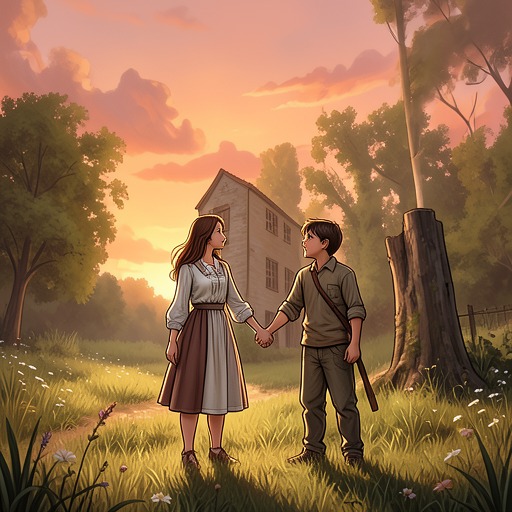
One summer evening, after fleeing the harpies, Ronia and Birk walk hand in hand through the woods, exhilarated by having come through their fear. They speak of the freedom of living in the forest by night or by day, under the sun, moon, and stars, through the sequence of spring, summer, and the autumn still to come. When Ronia falters at the thought of winter, the shadow folk appear among the trees and remind her that other forest dwellers pass the cold season cheerfully. Birk brings her back to the present: it is summer now, and she can feel it.
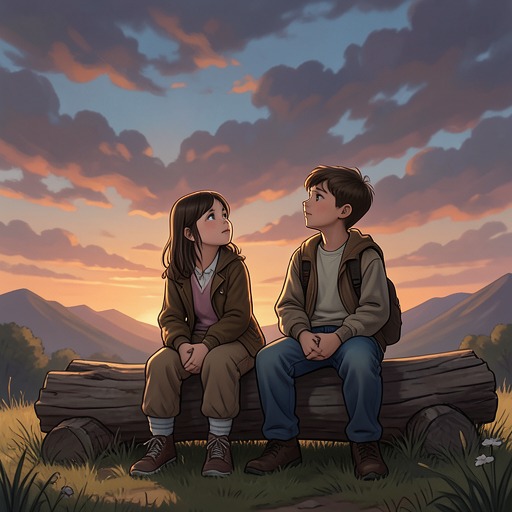
The two children make the season a conscious possession by remembering it. Ronia says she will carry this summer in her memory for as long as she lives; Birk, looking at her in the twilight woods, reaches the same resolve. The agreement is more than a description of a beautiful evening: they recognize that its beauty and peace can be retained even when the season itself is gone.
They also know summer will not last. Rather than dwell on winter, they begin to live as if the warm season might continue, making the most of every hour from dawn through night and drawing sweetness from it. Ronia compares her effort to a wild bee gathering honey, storing a big lump of summer to live on when summer is over. This image gives the season its central meaning: not a reprieve from time, but an experience made durable through attention and memory.
Autumn and the End of the Warmth
The transition arrives first as an omen. When Ronia thinks of what Noddle-Pete once said, she recalls that the coming of the Unearthly Ones to sing in the forest means autumn, with winter soon after. The season is thus marked not only by weather but by a sound associated with the turning year. Their warning makes explicit what Ronia and Birk have been trying not to admit.
Summer then dies slowly. Persistent autumn rain upsets even Ronia, who usually likes rain. The children spend days inside Bear’s Cave listening to water splash on the platform; the cold makes it impossible to keep the fire going, so they go out to run themselves warm, only to return soaked. Wrapped in fur skins, they watch the cave opening for the slightest sign of brightness, but see only a wall of rain. Against this ending, their remembered summer remains a resource: the season has passed, but what they gathered from it is still theirs to carry.